
Middle eastern appetizers are among the most flavorful and diverse dishes in the world. They combine fresh vegetables, fragrant herbs, creamy dips, wholesome grains, olive oil, and aromatic spices to create small plates that are perfect for sharing.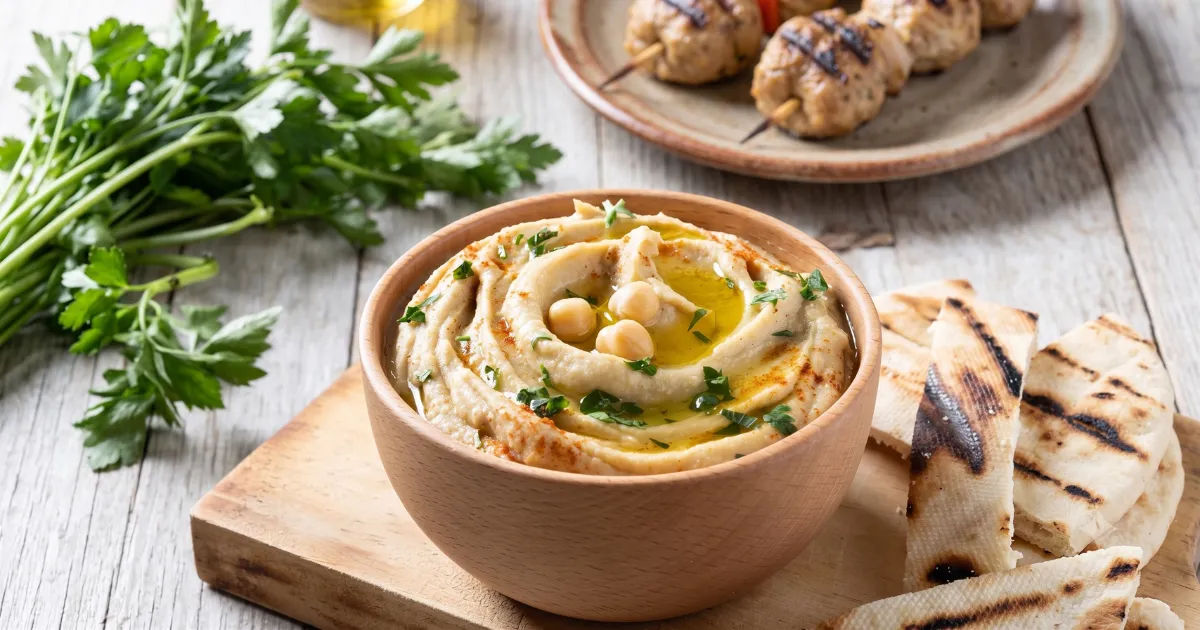
Whether served before a family meal, at festive gatherings, or as part of a traditional mezze spread, middle eastern appetizers offer an unforgettable culinary experience.Authentic recipes have been passed down through generations across countries such as Lebanon, Syria, Jordan, Palestine, Turkey, Egypt, and other parts of the Middle East.
Although every region has its own specialties, these appetizers share a common focus on fresh ingredients, balanced flavors, and generous hospitality.This guide explores what makes authentic middle eastern appetizers unique, highlights the most popular dishes, explains their ingredients, and offers tips for preparing them at home.
What Makes Middle Eastern Appetizers Authentic?
Authenticity is about more than following a recipe. Traditional middle eastern appetizers reflect centuries of culture, local ingredients, and family traditions. Many recipes use simple foods that are transformed into flavorful dishes through careful preparation and balanced seasoning.
Fresh herbs like parsley, mint, dill, and cilantro are commonly used. Olive oil provides richness while lemon juice adds brightness. Chickpeas, lentils, yogurt, eggplant, cucumbers, tomatoes, and garlic appear in countless dishes. Spices such as cumin, coriander, paprika, cinnamon, and sumac create layers of flavor without overwhelming the ingredients.
Authentic middle eastern appetizers are usually served as part of a mezze, which is a collection of small dishes placed in the center of the table for everyone to enjoy together.
The Tradition of Mezze
One of the defining features of middle eastern appetizers is the mezze tradition.
Instead of serving a single starter, families often prepare numerous small plates that encourage sharing and conversation. A mezze may include dips, salads, stuffed vegetables, pastries, olives, pickles, cheeses, and fresh bread.
This style of dining emphasizes community rather than individual portions. Guests sample many flavors while enjoying time together.
Common mezze combinations include:
-
Hummus
-
Baba ganoush
-
Tabbouleh
-
Falafel
-
Stuffed grape leaves
-
Labneh
-
Fresh vegetables
-
Pickled vegetables
-
Olives
-
Warm pita bread
Hummus
Hummus is perhaps the best-known of all middle eastern appetizers.
Made from cooked chickpeas blended with tahini, garlic, lemon juice, olive oil, and salt, hummus has a creamy texture and rich, nutty flavor.
Many families garnish hummus with paprika, cumin, parsley, whole chickpeas, pine nuts, or a drizzle of extra virgin olive oil.
Fresh pita bread is traditionally used for dipping.
Why Hummus Is So Popular
Hummus is:
-
Easy to prepare
-
Rich in plant protein
-
High in fiber
-
Naturally vegetarian
-
Extremely versatile
Many people enjoy hummus as both an appetizer and a healthy snack.
Baba Ganoush
Baba ganoush is another classic among middle eastern appetizers.
Instead of chickpeas, roasted eggplants form the base. The eggplants are roasted until smoky and tender before being mixed with tahini, garlic, lemon juice, olive oil, and seasonings.
Its smoky flavor makes it distinct from hummus while maintaining the same creamy consistency.
Baba ganoush pairs wonderfully with warm pita bread and fresh vegetables.
Tabbouleh
Tabbouleh is a refreshing parsley salad that showcases the importance of fresh herbs in Middle Eastern cuisine.
Traditional tabbouleh contains:
-
Fresh parsley
-
Mint
-
Tomatoes
-
Bulgur wheat
-
Lemon juice
-
Olive oil
-
Green onions
Unlike many grain salads, authentic tabbouleh contains much more parsley than bulgur.
The bright, citrusy flavor balances richer dishes within a mezze spread.
Falafel
Falafel remains one of the most beloved middle eastern appetizers around the world.
These crispy fried patties are made from ground chickpeas or fava beans mixed with herbs, onions, garlic, coriander, cumin, and parsley.
The exterior becomes crisp while the inside stays soft and flavorful.
Falafel is often served with:
-
Tahini sauce
-
Yogurt sauce
-
Pickles
-
Tomatoes
-
Cucumbers
-
Pita bread
Stuffed Grape Leaves
Stuffed grape leaves, also known as dolma or warak enab in various regions, are another staple of authentic middle eastern appetizers.
Tender grape leaves are wrapped around a filling made with rice, herbs, onions, olive oil, and spices.
Some regional versions also include ground meat.
These rolls are usually served chilled with lemon wedges.
Labneh
Labneh is a thick yogurt cheese created by straining yogurt until much of the liquid has drained away.
Its creamy texture makes it ideal for spreading onto bread or serving alongside vegetables.
Labneh is commonly topped with:
-
Olive oil
-
Za'atar seasoning
-
Fresh mint
-
Black olives
Its mild flavor complements stronger dishes within a mezze.
Muhammara
Muhammara is a rich roasted red pepper dip originating from Syria.
It combines roasted peppers with walnuts, breadcrumbs, olive oil, garlic, pomegranate molasses, and spices.
The result is slightly smoky, mildly sweet, tangy, and pleasantly nutty.
Muhammara has become one of the most appreciated middle eastern appetizers because of its unique flavor profile.
Fattoush
Fattoush is a colorful salad made with fresh vegetables and toasted or fried pita bread.
Typical ingredients include:
-
Lettuce
-
Tomatoes
-
Cucumbers
-
Radishes
-
Green onions
-
Parsley
-
Mint
-
Sumac
-
Olive oil
-
Lemon juice
The crunchy bread pieces make fattoush especially satisfying.
Kibbeh
Kibbeh is considered one of the national dishes in several Middle Eastern countries.
Traditional kibbeh consists of bulgur wheat mixed with finely ground meat and spices.
Some versions are baked.
Others are fried into football-shaped croquettes with seasoned meat fillings.
Mini kibbeh portions are commonly served among middle eastern appetizers during celebrations.
Sambousek
Sambousek are savory pastries filled with cheese, spinach, or seasoned meat.
The dough is folded into triangles or half-moon shapes before being baked or fried.
These pastries are crispy outside and flavorful inside.
They are popular during holidays and family gatherings.
Spinach Fatayer
Spinach fatayer are small triangular pies filled with spinach, onions, lemon juice, olive oil, and sumac.
Their slightly tangy filling pairs beautifully with the flaky pastry.
These hand pies are convenient for parties because they are easy to serve and eat.
Cheese Fatayer
Cheese fatayer feature soft cheeses blended with herbs inside delicate pastry.
Popular cheeses include:
-
Akkawi
-
Feta
-
Halloumi
-
Nabulsi
The combination of creamy cheese and golden pastry makes them irresistible.
Shanklish
Shanklish is a traditional aged cheese coated with herbs and spices.
It is commonly served with:
-
Tomatoes
-
Olive oil
-
Onions
-
Mint
Its bold flavor makes it an excellent addition to a mezze platter.
Makdous
Makdous consists of baby eggplants stuffed with walnuts, garlic, and red peppers before being preserved in olive oil.
This traditional appetizer develops complex flavors during storage.
It is often served with fresh bread and olives.
Pickled Vegetables
Pickles are an essential part of many middle eastern appetizers.
Popular varieties include:
-
Turnips
-
Cucumbers
-
Carrots
-
Cauliflower
-
Peppers
Their tangy flavor balances creamy dips and rich pastries.
Fresh Vegetables
Fresh vegetables provide crunch and freshness to every mezze.
Common vegetables include:
-
Cucumbers
-
Tomatoes
-
Bell peppers
-
Carrots
-
Radishes
-
Celery
These vegetables are frequently served with hummus and labneh.
Olives
Olives have been cultivated in the Middle East for thousands of years.
Green and black olives seasoned with herbs, citrus, garlic, or chili peppers often appear alongside other middle eastern appetizers.
Fresh Pita Bread
Warm pita bread is almost always served with authentic appetizers.
It is used for scooping dips instead of utensils.
Fresh bread enhances every dish on the table.
Popular Herbs and Spices
The flavors of middle eastern appetizers depend heavily on herbs and spices.
Frequently used herbs include:
-
Parsley
-
Mint
-
Dill
-
Cilantro
Popular spices include:
-
Cumin
-
Coriander
-
Sumac
-
Paprika
-
Cinnamon
-
Black pepper
-
Aleppo pepper
These seasonings add complexity while preserving the natural taste of fresh ingredients.
Common Ingredients
Authentic middle eastern appetizers often rely on pantry staples.
These include:
-
Chickpeas
-
Lentils
-
Bulgur
-
Tahini
-
Yogurt
-
Olive oil
-
Garlic
-
Lemon juice
-
Eggplants
-
Tomatoes
-
Cucumbers
-
Walnuts
-
Fresh herbs
Despite their simplicity, these ingredients create remarkably rich flavors.
Health Benefits
Many middle eastern appetizers fit well into balanced eating patterns.
Potential benefits include:
Rich in Fiber
Beans, vegetables, and whole grains provide dietary fiber that supports digestion.
Good Source of Healthy Fats
Olive oil, tahini, and nuts supply heart-friendly unsaturated fats.
Plenty of Vitamins
Fresh herbs and vegetables contribute vitamins A, C, K, and numerous antioxidants.
Plant-Based Protein
Chickpeas, lentils, yogurt, and nuts offer satisfying protein.
Naturally Colorful
A variety of colorful vegetables provides many beneficial plant compounds.
Tips for Preparing Authentic Appetizers
Preparing authentic middle eastern appetizers becomes easier with a few practical tips.
Always use fresh herbs whenever possible.
Choose high-quality extra virgin olive oil.
Use freshly squeezed lemon juice instead of bottled juice.
Allow dips to rest before serving so flavors develop.
Toast spices lightly before adding them to recipes.
Serve dishes at the proper temperature, whether warm or chilled.
Offer warm pita bread just before serving.
Building the Perfect Mezze Platter
A balanced mezze platter includes different colors, textures, and flavors.
A simple arrangement might include:
-
Hummus
-
Baba ganoush
-
Labneh
-
Tabbouleh
-
Falafel
-
Stuffed grape leaves
-
Pickled vegetables
-
Fresh cucumbers
-
Tomatoes
-
Olives
-
Warm pita bread
This combination offers creamy, crunchy, tangy, fresh, and savory elements.
Regional Differences
Although many dishes appear throughout the Middle East, every country has its own traditions.
Lebanese cuisine often emphasizes fresh herbs and salads.
Syrian cuisine is known for muhammara and kibbeh.
Palestinian cooking features musakhan-inspired flavors and distinctive olive oil.
Jordanian recipes frequently highlight yogurt and lamb.
Egyptian cuisine commonly uses fava beans in falafel.
Turkish appetizers often include yogurt-based dips and stuffed vegetables.
These regional variations enrich the remarkable diversity of middle eastern appetizers.
Serving Suggestions
Presentation plays an important role.
Arrange appetizers in colorful serving bowls.
Drizzle olive oil over dips immediately before serving.
Sprinkle herbs and spices as garnishes.
Serve fresh lemon wedges alongside salads.
Provide warm pita bread in a covered basket.
Encourage guests to sample multiple dishes.
This relaxed dining style reflects the generous hospitality of Middle Eastern culture.
Conclusion
Authentic middle eastern appetizers represent far more than delicious starters. They celebrate centuries of culinary tradition, local agriculture, and the joy of sharing meals with family and friends. From creamy hummus and smoky baba ganoush to refreshing tabbouleh, crispy falafel, stuffed grape leaves, and flavorful pastries, every dish contributes something unique to the mezze experience.
One of the greatest strengths of middle eastern appetizers is their remarkable balance of flavor, nutrition, and versatility. Fresh vegetables, wholesome grains, legumes, herbs, olive oil, yogurt, and aromatic spices combine to create dishes that are satisfying without being overly heavy. Many recipes are naturally vegetarian, making them suitable for a wide range of dietary preferences.
Whether you are preparing a casual snack, hosting a dinner party, or exploring international cuisine for the first time, authentic middle eastern appetizers offer endless opportunities to enjoy vibrant flavors and timeless traditions. By using fresh ingredients, quality olive oil, fragrant herbs, and classic recipes, you can recreate the warmth and hospitality of the Middle East in your own kitchen and experience why these beloved appetizers continue to be enjoyed around the world.
